
Why Overusing Disinfectant Can Be Harmful in Your Home
Why Overusing Disinfectant Can Be Harmful in Your Home In the wake of recent health scares and the rise of germ-conscious lifestyles, disinfectants have become household staples. While these products serve an essential purpose in protecting our homes from harmful pathogens, there’s a growing concern that overusing disinfectant can actually do more harm than good. In this post, we’ll explore what overusing disinfectant really means, how disinfectants work, and the unintended consequences that can arise when they are misused or relied upon too heavily. What Does Overusing Disinfectant Mean? Overusing disinfectant refers to the excessive or improper use of chemical agents designed to kill bacteria, viruses, and other microbes on surfaces. This could include: Disinfecting surfaces multiple times a day without cause Using industrial-strength disinfectants in a home setting Applying disinfectant sprays or wipes to items that don’t require them Using disinfectants in place of regular cleaning Not following proper dilution or contact time instructions on product labels The issue isn’t with disinfectants themselves, it’s with how frequently, broadly, or improperly they’re applied. How Disinfectants Work Disinfectants work by disrupting the structure or function of microbial cells. They are designed to kill or deactivate bacteria, viruses, and fungi on surfaces. Common active ingredients include: Bleach (sodium hypochlorite) – Oxidizes and destroys microbial proteins Quaternary ammonium compounds (“quats”) – Break down cell membranes Alcohol (ethanol or isopropanol) – Denatures proteins and dissolves lipids Hydrogen peroxide – Releases free radicals that destroy cell components These chemicals are powerful, but they don’t discriminate. They kill both harmful and helpful microbes and can even damage the surfaces they’re meant to protect if used excessively. The Downsides of Overusing Disinfectant in the Home 1. Health Hazards for Humans and Pets Many disinfectants contain volatile organic compounds (VOCs) and harsh chemicals that can pose health risks with frequent exposure. Respiratory issues: Repeated inhalation of bleach or quats can irritate lungs and worsen asthma symptoms. Skin irritation: Overuse of sprays and wipes can cause dry, cracked, or allergic skin reactions. Eye and throat irritation: Fumes can irritate mucous membranes. Toxicity to pets: Cats and dogs are particularly sensitive to chemical residues, especially if they lick floors or surfaces. 2. Harming the Microbiome of Your Home Just like our bodies have beneficial bacteria, so do our homes. Over-sanitizing can disrupt this natural balance. Good bacteria suppression: Beneficial microbes that compete with harmful bacteria may be wiped out. Creating an imbalanced ecosystem: A sterile environment may actually be more prone to colonization by stronger, more resistant microbes. 3. Risk of Antimicrobial Resistance Just as overusing antibiotics can lead to drug-resistant bacteria, overusing disinfectant can promote microbial resistance on surfaces. Superbugs: Some bacteria can develop resistance to disinfectants through repeated exposure. Ineffectiveness: Surfaces may retain pathogens that have adapted, rendering your disinfecting efforts useless over time. Cross-resistance: There’s evidence that bacteria resistant to disinfectants may also be resistant to antibiotics. 4. Environmental Impact The widespread use of disinfectants has a cumulative effect on the environment: Chemical runoff: Rinsing or disposing of cleaning agents improperly can pollute waterways. Air quality: VOCs from disinfectants contribute to indoor air pollution. Packaging waste: The surge in single-use disinfectant wipes and sprays adds to landfill waste. 5. Damaging Household Surfaces and Materials Using disinfectants too often, especially on delicate or porous surfaces, can cause: Discoloration and degradation: Bleach and alcohol can erode finishes, fabrics, or rubber. Corrosion: Metals and appliances may be damaged by chemical reactions over time. Residue buildup: Sticky or greasy films can remain, attracting more dirt and microbes. When and Where to Disinfect (and When Not To) Disinfection should be targeted—not routine. The CDC and EPA recommend disinfecting only when necessary, such as after illness, exposure to high-touch surfaces in public, or visible contamination with bodily fluids. Appropriate Situations for Disinfecting: After a family member has been sick Surfaces like doorknobs, light switches, and faucets during cold/flu season After handling raw meat or using the bathroom When to Skip It: Daily cleaning of low-risk areas like living room tables or bedroom dressers Outdoor surfaces, where UV and weather naturally disinfect Using disinfectant as a replacement for soap and water (which is often more effective for cleaning) Safe Alternatives and Best Practices If you’re concerned about the risks of overusing disinfectant, there are safer ways to keep your home clean and healthy. 1. Prioritize Cleaning Over Disinfecting Cleaning with soap and water removes dirt and microbes, while disinfecting kills microbes. In most everyday situations, cleaning is sufficient. Use microfiber cloths and gentle, biodegradable cleaners Save disinfectants for situations that truly require microbial kill 2. Use EPA-Approved Disinfectants Responsibly Check the label for “EPA List N” to ensure it’s effective against specific pathogens Follow instructions carefully: proper dilution, contact time, and rinsing are critical Wear gloves and ventilate the room while using 3. Switch to Eco-Friendly Disinfectants Plant-based disinfectants with active ingredients like thymol or citric acid can be effective and less harmful. Look for Green Seal or Safer Choice certifications Avoid products with unnecessary fragrance or harsh additives 4. Ventilation is Key Improving air circulation reduces the need for aggressive disinfection. Consider: Opening windows regularly Using air purifiers with HEPA filters Running exhaust fans in bathrooms and kitchens A Balanced Approach Is Best It’s tempting to believe that more disinfection equals more safety, but that’s not always the case. The key takeaway is this: Overusing disinfectant can actually compromise your health, damage your home, and reduce long-term microbial safety. A healthy home isn’t a sterile one, it’s a space where cleanliness is balanced with environmental awareness and common sense. Instead of defaulting to disinfectant for every cleaning task, ask yourself: Is disinfection necessary here? Can I clean this effectively with soap and water? Am I using the right amount of product for the job? By shifting toward intentional, informed cleaning habits, you’ll create a safer and more sustainable home for everyone who lives in it. Looking for more tips, tricks, and helpful cleaning content? Check out our Facebook and Instagram! Book your very own cleaning
The Rise of Green Cleaning & It’s Importance
What Is Green Cleaning? Green cleaning refers to the use of cleaning methods and products that are environmentally friendly and safe for human health. This approach emphasizes the use of non-toxic, biodegradable ingredients and sustainable practices to minimize the negative impact on the environment and reduce exposure to harmful chemicals. Green cleaning encompasses not only the products used but also the procedures and practices that promote a healthier living and working environment. The Evolution of Green Cleaning The concept of green cleaning has evolved significantly over the years. Initially, cleaning products were developed with a primary focus on efficacy, often overlooking the environmental and health consequences of their chemical compositions. However, growing awareness of the adverse effects of certain chemicals on both human health and the environment has led to increased demand for safer alternatives. This shift has prompted manufacturers to develop and market green products that are effective yet environmentally responsible. Health Benefits of Green Cleaning 1. Reduced Exposure to Toxic Chemicals Traditional cleaning products often contain harsh chemicals like ammonia, chlorine, and phthalates, which can cause respiratory issues, skin irritations, and other health problems. Green cleaning products, on the other hand, are formulated with natural ingredients that are less likely to cause adverse health effects. This makes them safer for use, especially in households with children, pets, or individuals with sensitivities. 2. Improved Indoor Air Quality Many conventional cleaning products release volatile organic compounds (VOCs) into the air, contributing to indoor air pollution. Exposure to VOCs can lead to headaches, dizziness, and long-term health issues. Green cleaning products typically emit fewer VOCs, resulting in better indoor air quality and a healthier living environment. 3. Safer for Vulnerable Populations Children, the elderly, and individuals with compromised immune systems are more susceptible to the harmful effects of chemical exposure. Using green products reduces the risk of health complications in these vulnerable groups by minimizing exposure to toxic substances. Environmental Impact of Green Cleaning 1. Biodegradable Ingredients Green products are often made with biodegradable ingredients that break down naturally, reducing pollution in waterways and soil. This contrasts with conventional cleaners that may contain persistent chemicals harmful to aquatic life and ecosystems. 2. Reduced Water and Air Pollution By avoiding phosphates and other harmful chemicals, green cleaning products help prevent water pollution and eutrophication, which can lead to dead zones in aquatic environments. Additionally, the lower VOC emissions from green products contribute to reduced air pollution and smog formation. 3. Sustainable Packaging Many green cleaning products are packaged in recyclable or biodegradable materials, minimizing plastic waste and environmental footprint. Some companies also offer refillable containers and concentrate solutions to further reduce packaging waste. Economic Advantages 1. Cost Savings Over Time While green products may have a higher upfront cost, they often prove more economical in the long run. Concentrated formulas require less product per use, and the reduced need for protective gear and ventilation can lower operational costs. 2. Enhanced Brand Image Businesses that adopt green cleaning practices can enhance their reputation by demonstrating a commitment to sustainability and social responsibility. This can attract environmentally conscious customers and employees, providing a competitive advantage. 3. Compliance with Regulations As environmental regulations become more stringent, using green products can help businesses stay compliant and avoid potential fines or sanctions. Proactive adoption of eco-friendly practices positions companies as industry leaders in sustainability. Green Cleaning in Practice 1. Residential Settings Homeowners can start by choosing products with natural ingredients, using reusable cleaning tools, and adopting practices like making homemade cleaners with vinegar and baking soda. This approach promotes a healthier home environment and reduces household waste. 2. Commercial and Industrial Applications Businesses can integrate green cleaning by selecting certified eco-friendly products, training staff on sustainable practices, and investing in energy-efficient cleaning equipment. This not only improves workplace health and safety but also aligns with corporate sustainability goals. 3. Institutional Implementation Schools, hospitals, and government facilities can benefit by protecting the health of occupants and reducing environmental impact. Implementing green cleaning policies and procuring certified products ensures a commitment to public health and environmental stewardship. Certifications and Standards To identify genuine green products, consumers and businesses can look for certifications such as: EPA Safer Choice: Indicates products with safer chemical ingredients. Green Seal: Certifies products that meet rigorous performance, health, and environmental criteria. EcoLogo (UL Environment): Recognizes products with reduced environmental impact. These certifications provide assurance that products meet established environmental and health standards. Overcoming Challenges 1. Addressing Misconceptions Some consumers may doubt the efficacy of green products. Education and awareness campaigns can help dispel myths and highlight the effectiveness of eco-friendly alternatives. 2. Ensuring Product Availability Increasing the availability of green products in mainstream retail outlets can make it easier for consumers to make sustainable choices. Encouraging retailers to stock certified products supports wider adoption. 3. Combating Greenwashing To avoid misleading claims, consumers should rely on trusted certifications and scrutinize product labels. Transparency in ingredient disclosure is key to making informed decisions. What’s the Future? The green cleaning industry is poised for continued growth as environmental concerns and health awareness rise. Innovations in product formulations, packaging, and sustainable practices will further enhance the appeal and accessibility of green cleaning solutions. As consumers and businesses prioritize sustainability, green cleaning will become an integral part of a healthier, more environmentally conscious society. Green cleaning represents a vital shift towards healthier living and environmental responsibility. By embracing eco-friendly products and practices, individuals and organizations can contribute to a cleaner, safer world. The benefits of green cleaning, ranging from improved health outcomes to environmental preservation, underscore its importance in our daily lives. As the movement continues to gain momentum, adopting green cleaning practices is not just a choice but a necessary step toward a sustainable future. Looking for more tips, tricks, and helpful cleaning content? Check out our Facebook and Instagram! Book your very own eco-friendly cleaning service today.
The Truth About Wood Polish: When to Use It and When Not To
The Truth About Wood Polish Wood polish is often marketed as a miracle product that revives dull furniture, adds a glossy finish, and enhances the beauty of wood surfaces. But while it can provide short-term shine and visual appeal, it’s not always the right choice for your furniture or floors and in some cases, it can actually do more harm than good. In this guide, we’ll break down what wood polish really does, the types of wood finishes it’s suitable for, how and when to use it properly, and the hidden risks of using it incorrectly. What Does Wood Polish Actually Do? Wood polish is a product designed to enhance the appearance of wood surfaces by adding shine and reducing the visibility of minor scratches or imperfections. Depending on the formula, it may: Create a glossy or satin sheen Fill in light surface scratches Provide a thin protective layer Add fragrance or deodorizing properties However, contrary to popular belief, wood polish does not nourish wood, repair damage, or offer long-lasting protection. It’s often a cosmetic treatment, and overusing it can cause a sticky buildup or dull finish over time. Types of Wood Polish Wood polishes fall into a few major categories: Oil-Based Polishes These contain ingredients like lemon oil, mineral oil, or linseed oil. They’re designed to soak slightly into unsealed or oil-finished wood, adding a warm luster. Best for: Bare wood or older furniture with oil finishes Avoid on: Polyurethane, shellac, or lacquer-coated surfaces (can create residue) Wax-Based Polishes Made from beeswax or carnauba wax, these polishes offer mild surface protection and a rich, soft sheen. They’re buffed into the wood and often used in antique furniture care. Best for: Unfinished wood, wax-finished furniture, antiques Avoid on: Floors (can make them dangerously slippery) and most modern sealed furniture Aerosol or Spray Polishes These often contain silicone or petroleum-based compounds that leave a shiny finish. While easy to apply, they can create a buildup over time and attract dust. Best for: Occasional use on older wood pieces without a sealed finish Avoid on: Most modern finishes and fine furniture Understanding Wood Finishes (Before You Polish!) To determine whether you should use wood polish, it’s critical to understand what kind of finish your wood surface has. Here are the most common finishes: Oil Finish (e.g., Danish oil, tung oil) Compatible with: Oil-based polishes or wax Notes: Benefits from occasional re-oiling or polishing Wax Finish Compatible with: Paste wax, occasional buffing Notes: Should not be polished with sprays or oils can cause haziness Shellac or Lacquer Finish Not recommended for: Most polishes Why: Prone to smudging or dissolving when exposed to polish ingredients Polyurethane or Varnish (Modern Sealed Finishes) Not recommended for: Regular use of polish Why: These finishes are already sealed and protected polish won’t penetrate, and buildup can cause smearing or dullness When Should You Use Wood Polish? Wood polish should be used sparingly and strategically. Here are the scenarios where polish may actually be appropriate: Restoring Dull, Oil-Finished Wood: If your wooden furniture has an oil finish and looks dry, a polish with natural oil or wax can help restore luster. Maintaining Antiques: Antique wood furniture with traditional finishes may benefit from wax-based polish or buffing. Short-Term shine for Events or Photos: If you want your wood furniture to shine for a special occasion, a light application can temporarily improve its appearance. When You Shouldn’t Use Wood Polish In most everyday scenarios, wood polish is unnecessary and sometimes damaging. Avoid polishing when: You’re dealing with sealed wood (polyurethane, etc.): Polish can’t penetrate the surface and will leave a residue that dulls over time. There’s dust on the surface: Applying polish over dust will trap particles, creating a gummy mess. You’re trying to fix scratches or wear: Polish won’t repair damage. It may hide scratches temporarily, but it doesn’t restore the wood. You’re cleaning furniture regularly: Polishing too often creates layers of buildup that attract dust and degrade finish quality. The Risks of Using Wood Polish Improperly Using polish on the wrong surface or too frequently can lead to a host of issues: Buildup and Residue Repeated applications without cleaning in between can leave a filmy residue that attracts dirt and dulls the finish. Sticky Surfaces Some polishes, especially those with silicone or petroleum, can create tackiness that’s hard to remove. Finish Degradation Incompatible polishes can cause discoloration, streaking, or even damage the finish itself, especially on lacquer or shellac-coated surfaces. Dust Magnet Many polishes leave behind oils or waxes that dust sticks to, requiring more frequent cleaning. Safety Hazards Using polish on hardwood floors, especially wax-based or oil polishes, can make the surface slippery and dangerous. Alternatives to Wood Polish If your goal is to keep your wood furniture and surfaces looking their best, consider these safer and more effective methods: Regular Dusting Use a microfiber cloth or electrostatic duster to remove dust and dirt without scratching the surface. Gentle Cleaning Use a diluted solution of mild dish soap and warm water for sealed wood. Wring out your cloth well to avoid excess moisture. Conditioning (for Unsealed Wood) For raw or oil-finished wood, an occasional treatment with a high-quality furniture oil or paste wax will help preserve the material. Refinishing If your wood surface is severely dull, scratched, or damaged, refinishing (sanding and reapplying finish) may be a better long-term solution than polishing. How to Use Wood Polish Safely If you do choose to use wood polish, follow these guidelines to minimize risk: Identify the finish first, use polish only on compatible surfaces. Clean the surface thoroughly before applying polish. Test in a hidden area to ensure there’s no discoloration or adverse reaction. Use a small amount, a little goes a long way. Buff thoroughly to remove excess and avoid streaking or buildup. Avoid overuse, once every few months is often plenty (if needed at all). Final Thoughts: Less Is More Despite its popularity, wood polish is not a
The Future of Home Cleaning: Cleaning Trends & Innovations
The Future of Home Cleaning: Cleaning Trends & Innovations The home cleaning industry is experiencing a wave of innovation. Driven by smart technology, sustainability, and a renewed focus on health and wellness. At Clean Arrival Home Services, we’re always looking ahead to grow and learn. We do this by adopting the most effective and responsible solutions. Dive into the top cleaning trends shaping the future of home cleaning. 1. Embracing Sustainability Sustainability is no longer optional. It’s one of the most important cleaning trends today. Homeowners are concerned about the environmental impact of the products they use. In response, the cleaning industry is shifting toward eco-friendly solutions. Focused on both performance and environmental safety. Examples of sustainable cleaning trends: Use of plant-based and biodegradable cleaning products. Refillable packaging systems that reduce single-use plastic waste. Microfiber cloths and mops that clean without harsh chemicals. Cleaning services (like Clean Arrival) that emphasize green-certified products and waste-conscious practices. These innovations reduce water use and cut down on plastic pollution. Also limiting exposure to volatile organic compounds (VOCs) in the home. 2. Integration of Advanced Technologies Technology is a driving force behind many modern cleaning trends. Robotic vacuum cleaners and mops, are now becoming household essentials. They save time and effort while ensuring thorough, consistent cleaning. Examples of tech-driven cleaning trends: Robot vacuums that can map rooms, detect dirt-heavy areas, and self-empty. UV-C sanitizers are for disinfecting hard surfaces without chemicals. These are ideal for homes with immunocompromised family members. App-connected cleaning appliances allow homeowners to schedule and monitor routines. These innovations are also embraced in professional cleaning environments. Boosting efficiency and reducing fatigue. 3. Focus on Health and Hygiene One of the most important cleaning trends is the focus on cleaning for health. It’s not about appearances. Modern cleaning eliminates bacteria, viruses, and allergens to protect your family’s wellness. Examples of health-focused cleaning trends: Electrostatic sprayers for whole-room disinfection, even in hard-to-reach spaces. HEPA filters in vacuums and air purifiers capture 99.97% of airborne particles. EPA-registered disinfectants that meet strict standards for eliminating pathogens. These practices are now essential in homes. Especially those with children, pets, elderly family members, or allergy sufferers. 4. Adoption of Smart Cleaning Devices The rise of smart home technology has sparked new cleaning trends. Centering on convenience and precision. Smart cleaning devices offer automation, customization, and real-time monitoring to streamline daily chores. Examples of smart cleaning trends: Smart washing machines that detect load size and soil level optimizing resources. Voice-activated vacuums that sync with Alexa or Google Assistant. App-controlled air purifiers that track and respond to changes in air quality. These tools improve both cleaning performance and home efficiency. 5. Enhanced Training and Professionalism The cleaning industry is becoming more advanced. With a cleaning trend emphasizing professional training and education. Cleaning professionals need to stay informed. Whether it be new technologies, safer products, or evolving sanitation standards. Organizations like ISSA are offering programs to ensure that cleaning professionals are equipped with the lastest knowledge. Examples of training-related cleaning trends: GBAC STAR™ Accreditation for training in biohazard response and sanitation protocols. Education in using safer disinfectants and the latest equipment. Training on the use of personal protective equipment (PPE) and ergonomics. At Clean Arrival, we focus on continuing education for our team. We want to ensure consistent, expert-level service for every client. Looking Ahead on Cleaning Trends The future of home cleaning is being shaped by dynamic cleaning trends. Prioritizing health, technology, sustainability, and professionalism. From robotic vacuums to eco-conscious practices. The cleaning industry is evolving to meet modern household needs. At Clean Arrival Home Services, we’re proud to be part of this innovation-driven shift. We continue to adopt the best cleaning trends. Providing responsible, high-quality service that keeps your home fresh and healthy. 📍 Ready to experience the future of cleaning today? Contact us to learn more or schedule a service. For more content check us out on Instagram or Facebook!
List of Dangerous Cleaning Ingredients
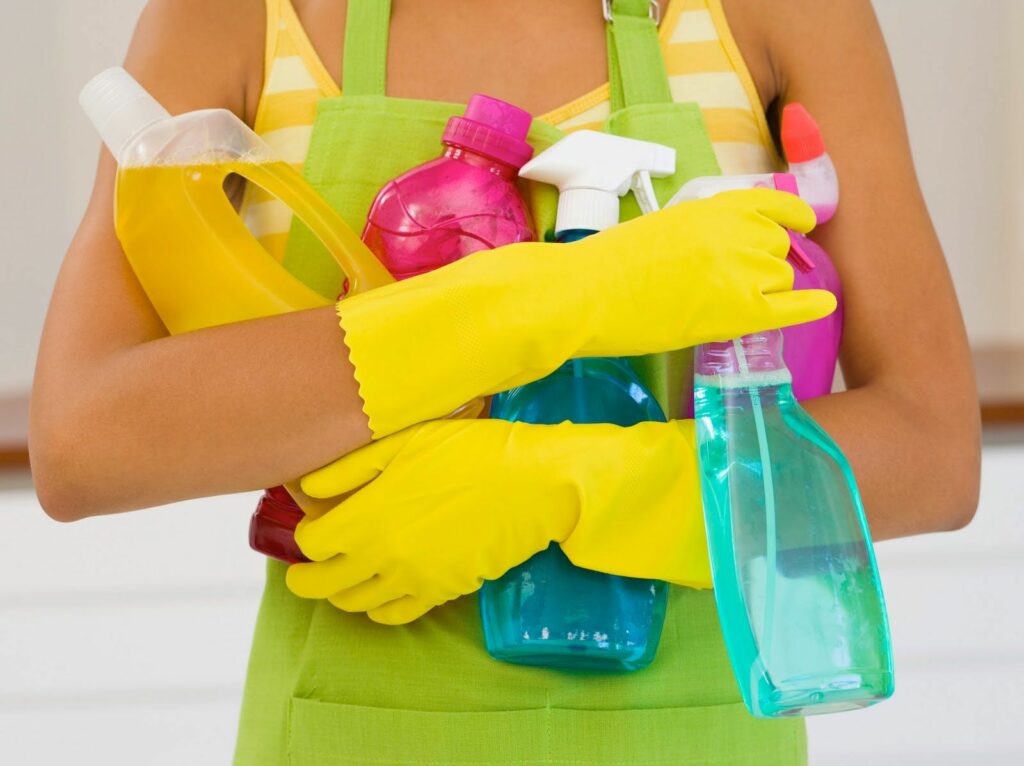
List of Dangerous Cleaning Ingredients Whether you’re concerned about the environment or protecting your family from harmful chemicals in your home, you might want to check the products under your sink for these dangerous cleaning ingredients. Petroleum-Based Products are found in many non-green cleaning products. The perfect example of one of these products is dish soap. A ludicrous example can be found when Dial dish soap (which contains Petroleum) was sent to the Gulf to help clean up the oil spill devastation in Louisiana and Mississippi a few years back. How ironic is that?!? In an effort to reduce our dependence upon imported oil, green products turn to plant-based detergents instead. Phosphates can be found in dishwasher and laundry detergents that are not certified as “green products.” Recent research has proven that phosphates can cause over-nitrification of rivers and other water sources, resulting in excessive amounts of algae. As algae grows out of control, fish are deprived of oxygen, killing off local fish populations. Formaldehyde can, unfortunately, be found in any number of home cleaning products including air fresheners as well as mold and mildew cleaners. Formaldehyde is a known carcinogen and can prove a severe health risk. Phenol is another substance commonly found in non-green air fresheners and furniture polishes. This substance is known to cause a number of health complications including: convulsions, hives, coma, circulatory collapse and death. Ammonia is one of the substances most commonly found in home cleaning products. Ammonia has been proven to cause damage to the skin, eyes and respiratory tract if put in direct contact with the skin or inhaled. Bleach is the “kill all” cleaner of choice that can be found in just about every household that hasn’t made the effort to “go green.” Bleach can cause significant damage to the eyes and skin if contacted and also causes damage to the respiratory tract. If bleach is mixed with ammonia, the fumes can quickly result in death. Perchlorethylene can be found in a number of carpet cleaners and upholstery shampoos. This toxic substance is a known carcinogen and has been shown to cause damage to the nervous system, liver and kidneys. Ammonium Hydroxide is another chemical that can commonly be found in carpet cleaners and upholstery shampoos. This corrosive substance is much like bleach in its irritation to the skin, eyes and respiratory passages. Chlorine can be found in dish washing detergents at fairly high concentrations. Chlorine is extremely toxic when ingested and can cause a number of skin, eye and airway irritations as well. Lye is a product that can eat through human flesh at an alarming rate and can be found in most common drain cleaners and oven cleaners. Lye has been known to burn eyes and skin and if ingested, it can quickly eat through the esophagus and stomach. Hydrochloric Acid is a corrosive substance that many will remember from chemistry class. Present in drain cleaners, this substance will damage the eyes, skin, liver, kidneys and digestive tract. Tricholoroethane can also be found in many household drain cleaners and is a dangerous cleaning ingredients known nervous system depressant and skin and eye irritant. Nitrobenzene can be found in furniture polishes. This chemical is known to be extremely toxic and can cause nausea, convulsions, muscle spasms, coma and headaches. This substance can be quickly absorbed through the skin. Sodium Hypochlorite can be found in a number of mold and mildew killing cleaners. This corrosive substance has been shown to lead to fluid in the lungs. Triclosan can be found in many antibacterial cleaners and hand soaps. This substance has been linked to liver damage and, when used in antibacterial soaps, the development of drug-resistant bacteria. Both Dimpylate and Diazinon can be found in a number of pesticides that can be found around the house. The substances are toxic and impair the central nervous system. Chlorinate Hydrocarbons can also be found in a number of pesticides and are believed to be carcinogens and mutagens. These substances build up in the body’s fatty tissue and begin to attack the nervous system. Lindane can be found in over-the-counter lice shampoo and has a number of very nasty effects. This chemical has been proven to cause vomiting, convulsions and collapse of the circulatory system. Lindane is also believed to cause damage to the liver and lead to birth defects, cancer and stillbirths. 2-butoxyethanol/ Ethylene glycol butyl ether is just one of the glycol ethers that are utilized in cleaning products – particularly in carpet cleaners and specialty cleaners. This substance is used as a solvent. 2-butoxyethanol/ Ethylene glycol butyl ether can be both absorbed through the skin and inhaled and have been linked to a number of health concerns including: blood disorders, kidney damage, liver damage, reduced pulmonary function and in the case of longer term exposure it has been linked to reproductive damage as well. This product is commonly found in toilet bowl fresheners, moth control insecticides, room fresheners, cleaning products and urinal cakes. Ethoxylated nonyl phenols (NPEs) have the unusual nickname of “gender benders.” The reason these substances have such a strange, almost offensive, name is because they have been known to induce female characteristics when male fish were exposed to them. This alteration of gender specific characteristics led to the European Union banning all nonyl phenols from dangerous cleaning ingredients and products that are both used and manufactured in the area. Unfortunately, these substances are still being used in the United States in a number of various cleaning products. Methylene chloride is believed to be a human carcinogen by the International Agency for Research on Cancer. So strong is this belief that in 1987 United States product regulators mandated that all products containing Methylene chloride also feature a warning label. Methylene chloride is found in many paint stripping products. Naphthalene is another carcinogenic product. Naphthalene in addition to paradichlorobenzene is commonly utilized in mothballs. Unfortunately according to the California Office of Environmental Health Hazards Assessment Naphthalene is a known dangerous cleaning ingredients that cause cancer. Paradichlorobenzene is also listed by the IARC to be a possible human carcinogen. There are a number
Probiotics Aren’t Just For Digestion Anymore – Probiotic Cleaning
What’s the Point? Most of us are familiar with traditional household cleaners. We’ve seen our moms and grandma’s use Lysol and Clorox for years, so what’s the harm? The problem is that many of the household chemicals we use haven’t even be tested yet. According to the Environmental Working Group, only a few hundred of the nearly 85,000 chemicals approved by the EPA have been tested for safety. Of the products rated by the EWG many of the traditional products, we use received an “F” rating for consumer safety. Such products are linked to respiratory issues, skin and allergy irritation, even birth and developmental defects. Our skin is one of our biggest connections to the world, absorbing almost anything we expose it to. In fact, studies indicate the 60% or more of the ingredients in common household cleaners get absorbed into your skin. Meaning our exposure risk is super high. Probiotics harness bacterial and plant extracts to naturally and safely clean your home. Using naturally occurring processes probiotic cleaning is the new green method. Feel free to request probiotics for your next clean with Clean Arrival. How Does Probiotic Cleaning Work? While traditional chemical cleaning products, as they often claim, do kill 99% of the germs in your household, they aren’t selective in which bacteria they target. This means you’re killing off both good and bad bacteria, making it easier for the bad bugs to return. Probiotic cleaners work just like probiotic you take for digestion. Working as a “good” bacteria they restore the balance of your home at a microscopic level. Most surfaces in our home contain a biofilm which actually protects the bad bacteria. Many traditional cleaners out there are not able to penetrate this film. While there are many probiotics out on the market now they all work in essentially the same way. Using a combination of bacteria and occasionally essential oils, these cleaners, create enzymes and bacteriocins that essentially “eat” the bad bacteria contained within these biofilms. At the same time, replenishing the good bacteria in your home. According to clinical trials, these good bacteria actually keep your home cleaner for much longer. Why Do We Love Them? Probiotic cleaning offers quite a few advantages. We’ve tested out both the P2 Probiotics and Airbiotics cleaners in our home and have had great results! We found both cleaners safe and effective. Both impressed us with their streak-free shine on windows and mirrors even when compared to traditional glass cleaners. Most come in concentrates. As a result, your money often stretches further. Probiotics are environmentally friendly and sometimes even food grade, meaning they are safe to use around people pets and even the foods you eat. Provide a longer lasting clean. Not only are they safe for your family but safe for the environment too. Most probiotics we’ve testes are biodegradable, hypoallergenic, non-carcinogenic, non-GMO, non-toxic, pH-neutral (safe for almost all surfaces), and cruelty-free so you don’t have to worry about their impact as you use them. Other Articles You May Like: Move-In Cleaning Move-Out Cleaning Real Estate Cleaning House Cleaning Green Cleaning Green Maid Eco-Friendly Cleaning
Recharging Microfibers
Everyone already knows that microfiber cloths are a godsend when it comes to getting things clean and we here at Clean Arrival are in the same boat. We use microfibers for all our cleans and have probably run into the same problem that many of you have. Over time our cloths start to pick up less and less. Here we wanted to discuss the best ways to care for your microfibers to get the longest use. What exactly are microfibers and why do they work so well? Microfiber cloths are usually made of synthetic fibers, typically polyester, polyamide, nylon, or a composite of any of the three. The cloths themselves are comprised of more individual fibers of a smaller size than traditional cloths or rags you use to use for cleaning. The higher density of these small fibers means your microfiber essentially has a larger surfaces area to grab onto dirt, dust, and debris. The structure and number of fibers also lends to a more porous nature to the cloth causing it to become more absorbent than other cloths. Ultimately these factors mean you can clean better using less product. It has also been noted by researchers that the small fibers rub together creating a static charge just like your socks on a carpet except on a micro-scale. It is believed that this charge actually lends a hand in clean as well, physically pulling dirt and dust into the cloth. How to wash your microfibers It’s important to wash your towels thoroughly to ensure not only for hygiene but to ensure your microfibers remain effective and absorbent. The one key thing you always want to remember is that any build up of cleaning product or dirt and debris within the cloth reduces the absorbency of future uses. This may seem self-evident to most, but always wash your towels between uses. Make sure to wash your towels separately from other material. If you don’t you risk your towels collecting a lot more lint from the other fabrics in the wash. Always set your wash cycle to warm or hot. This assists in breaking down and loosening both the grim and any cleaning product. We suggest using gentle liquid detergents to avoid leaving any additional residue of the cloths. Run your towels through two rinse cycles to ensure any detergents and build up are removed as best as possible. Don’t use bleach, fabric softeners, or dryer sheets on your microfibers. Both of these will reduce or get rid of the electric charge held by the fibers within the cloth. You want this electric charge because it is what attracts all that dirt. When drying avoid HEAT. Heat can melt the synthetic fibers, ruining the effectiveness of the cloth. Run your microfibers on the lowest setting in your dryer, or you risk melting the individual fibers. Recharging Microfibers You may be able to save some of those old microfibers you thought were past the point of no return. Try these simple steps to recharge the electric charge within the fibers to increase absorbency. Run your microfibers through the wash on hot. Instead of detergent, wash with one cup of white distilled vinegar and rinse with cold water. Dry without heat. This can also be done on the stove. Boil one gallon of water with two ounces of white distilled vinegar. Place the cloths in the boiling water and stir for one to two minutes. Then remove carefully and rinse in cold water. Let dry without heat. Hopefully, this will help bring back some of your microfibers to the land of the living although some may be too far gone to recharge. Other Articles You May Like: Move-In Cleaning Move-Out Cleaning Real Estate Cleaning House Cleaning Green Cleaning Green Maid Eco-Friendly Cleaning