
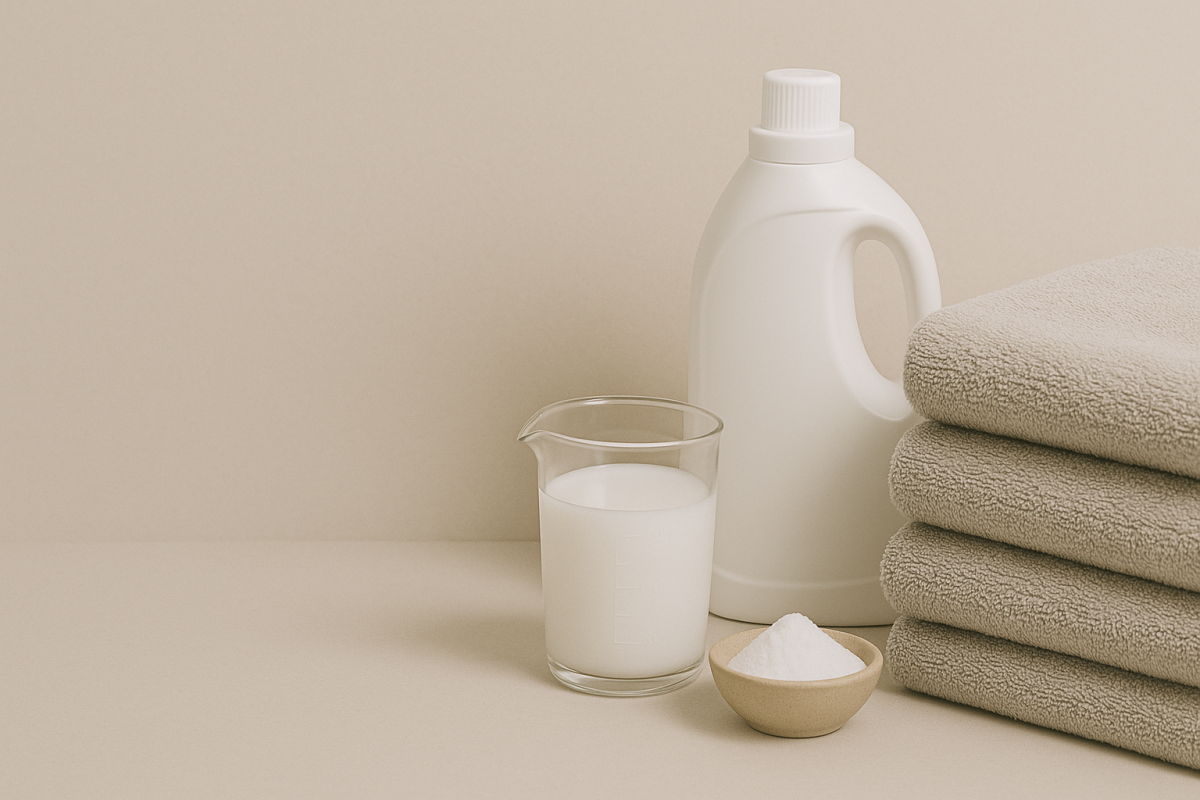
How to Wash Towels the Right Way: Tips, Tricks & Common Mistakes to Avoid
Towels are the unsung heroes of the household. They dry our bodies, clean up our messes, and serve us daily, but often don’t get the care they truly deserve. Improper washing can lead to towels that are stiff, musty-smelling, or less absorbent than they should be.
If your towels aren’t as fresh and fluffy as they used to be, this guide will walk you through everything you need to know about washing towels the right way, what common mistakes to avoid, and some expert tricks to extend their lifespan and performance.
Why Proper Towel Care Matters
Towels go through a lot. They’re exposed to moisture, body oils, detergent residue, and sometimes even mildew or bacteria if they don’t dry properly. Regular and proper washing:
-
Keeps them soft and fluffy
-
Maintains their absorbency
-
Prevents odor and bacterial buildup
-
Prolongs their useful life, saving money over time
Step-by-Step: How to Wash Towels Properly
1. Separate Towels from Regular Laundry
Always wash towels separately from other clothing. Towels are bulky and highly absorbent, which means they can trap lint, hold onto detergent residue, and even interfere with the proper cleaning of your clothes. Washing them on their own ensures a more thorough clean and helps maintain softness.
Pro Tip: Wash white towels separately from colored ones to prevent color transfer or dulling.
2. Choose the Right Water Temperature
Hot water is ideal for towels, especially bath towels, as it helps remove bacteria, body oils, and soap residue more effectively than cold or warm water. However, if you have dark-colored towels or delicate materials, opt for warm water to preserve color and fabric integrity.
3. Use the Right Detergent—and the Right Amount
Too much detergent may sound like a good idea for heavily used towels, but it actually has the opposite effect. Excess soap can build up in towel fibers, making them stiff and reducing absorbency over time.
Use about half the recommended amount of detergent for a regular load, especially if you’re using high-efficiency (HE) machines.
Avoid fabric softeners. They leave a waxy coating that decreases absorbency. If you want softness, there are better alternatives (keep reading).
4. Add Vinegar or Baking Soda for a Boost
To banish odors and maintain towel fluffiness:
-
Use white vinegar: Add ½ to 1 cup of white vinegar during the rinse cycle. It helps break down detergent and mineral residue and acts as a natural fabric softener.
-
Use baking soda: Adding ¼ to ½ cup during the wash cycle can neutralize odors and soften towels.
You can alternate between vinegar and baking soda every few washes, but don’t use them together in the same cycle, they’ll cancel each other out chemically.
5. Don’t Overload the Washer
Towels need room to agitate properly so water and detergent can circulate through the fibers. Overstuffing the machine results in poorly washed, stiff, or still-dirty towels.
A good rule of thumb: If your hand can’t move freely through the top of the load, it’s too full.
6. Use the Right Wash Cycle
Select a heavy-duty or regular cycle with a thorough rinse and spin. Avoid delicate or quick-wash cycles, which don’t give towels the scrubbing action they need.
How to Dry Towels Correctly
Drying is just as important as washing when it comes to towel care.
1. Shake Towels Before and After Drying
Give each towel a good shake before placing it in the dryer to help fluff up the fibers and reduce clumping. When they come out, shake them again to release any trapped lint and restore softness.
2. Choose the Right Heat Setting
Use medium to high heat for most towels unless the label says otherwise. Overheating can cause shrinkage or damage fibers, while low heat may not dry them thoroughly, leading to mustiness.
Pro Tip: If you air-dry towels, finish them off with 5–10 minutes in the dryer to remove stiffness.
3. Don’t Use Dryer Sheets
Like fabric softeners, dryer sheets coat towel fibers with chemicals that reduce absorbency. If you want fluffier towels, try wool dryer balls instead. They reduce static, speed up drying time, and help towels come out softer without added chemicals.
Common Mistakes That Ruin Towels
Even with good intentions, many people shorten the life of their towels by making these mistakes:
Using Too Much Detergent
As mentioned earlier, more detergent means more residue. Over time, this makes towels scratchy and dull.
Washing Towels with Clothes
Zippers and buttons can snag towel fibers. Plus, lint from towels can stick to clothing and vice versa.
Skipping the Rinse Cycle
A thorough rinse is essential for removing leftover detergent and bacteria. Always let the rinse cycle complete fully, no shortcuts.
Letting Towels Sit Wet
Leaving wet towels in the washer (or in a pile on the floor) leads to mildew, odor, and even mold. Move towels to the dryer immediately after the wash finishes.
Using Fabric Softeners or Dryer Sheets
Repeated use of these products will lead to less absorbent, waxy-feeling towels.
Ignoring Care Labels
Always check the manufacturer’s label for washing instructions. Some towels may require special care, especially those with decorative trim, bamboo fibers, or microfiber materials.
How Often Should You Wash Towels?
Bath towels: should be washed every 3 to 4 uses. If you’re sick, sweating heavily, or sharing towels, wash them more frequently.
Hand towels and washcloths: should be washed every 1–2 days due to their frequent use and quick buildup of germs.
Kitchen towels: should be changed out daily or at least every couple of days, especially if used for cleaning spills or drying hands.
Towel Maintenance Tips
-
Don’t bleach unnecessarily. Bleach can break down fibers and cause yellowing. Use only on white towels when needed, and opt for oxygen bleach when possible.
-
Refresh old towels by washing with hot water, 1 cup of vinegar (no detergent), then rewashing with baking soda.
-
Avoid ironing towels. It flattens the loops and reduces absorbency.
-
Rotate towel use. Having multiple towel sets lets you cycle through them evenly and extend their life.
Final Thoughts
Towels are a household staple, and treating them right means they’ll stay fresh, soft, and absorbent longer. A few simple changes, like cutting down on detergent, skipping fabric softeners, and using vinegar or baking soda can make a dramatic difference in the feel and function of your towels.
Keep them clean, keep them fluffy, and they’ll keep working hard for you.
Learn more cleaning tips and tricks through our Facebook or Instagram.