
Why Your House Still Smells Like Dog After Cleaning (And How to Actually Fix It)
Discover where dog odors hide and how to remove them. Professional Pet Odor Removal Tips from Clean Arrival You’ve vacuumed. You’ve mopped. You’ve washed the dog bed. Maybe you’ve even lit a candle or sprayed an air freshener. Yet somehow, your house still smells like dog. If you’ve ever wondered why the odor keeps coming back, even after you’ve spent hours cleaning, you’re not alone. It’s one of the most common questions we hear from homeowners. The truth is, pet odors usually aren’t caused by one obvious source. Instead, they’re created by tiny odor-causing particles that settle throughout your home over time. Cleaning the visible dirt often isn’t enough to remove what’s causing the smell. At Clean Arrival, we’ve cleaned hundreds of homes throughout the Portland metro area, and we’ve learned that removing pet odors is about understanding where those odors hide, not simply masking them. Let’s take a closer look at why your home may still smell like dog and what you can do about it. Why Dog Odors Linger Dogs naturally produce oils through their skin and coat. These oils help protect their skin, but they also collect: Dirt Dust Saliva Outdoor debris Bacteria As your dog moves around your home, tiny amounts of these particles transfer onto nearly every surface. Unlike visible pet hair, these odor-causing particles are microscopic. You may clean the floors, but the smell remains because the source is still hiding elsewhere. 1. Your Carpet Is Holding the Odor Carpet is one of the biggest odor traps in any home. Every time your dog walks across it, tiny amounts of: body oils dander saliva dirt moisture become embedded deep within the fibers. Even frequent vacuuming only removes surface debris. If odors have reached the carpet pad beneath the carpet, they can continue producing smells long after the visible carpet appears clean. 2. Upholstered Furniture Is Acting Like a Sponge Your couch might actually smell more than your carpet. Dogs love soft furniture. Unfortunately, upholstery absorbs: skin oils drool fur moisture outdoor odors Because cushions have so much surface area, they quietly collect odors for months or even years. 3. Pet Hair Isn’t the Real Problem Many homeowners assume pet hair causes odor. Hair contributes—but it’s usually not the primary culprit. The real issue is: skin oils dander bacteria saliva These remain long after the hair has been vacuumed away. 4. Dog Beds Need More Attention Than You Think Your dog’s favorite sleeping spot is often the strongest source of odor. Washable covers should be cleaned regularly. Foam inserts may also absorb odor over time. If the bed still smells after washing, replacement may be the better option. 5. Your HVAC System Is Circulating Pet Odors Air filters collect: pet hair dust dander When filters become overloaded, your HVAC system continues moving those particles throughout the home. Changing filters regularly can make a noticeable difference. 6. Curtains, Blankets, and Pillows Collect Odors Soft fabrics trap airborne particles surprisingly well. Many homeowners regularly wash bedding but forget: throw blankets decorative pillows curtains These fabrics slowly accumulate odors without becoming visibly dirty. 7. Hard Floors Can Still Smell Hard flooring doesn’t absorb odor like carpet, but: grout floor transitions baseboards corners often collect oils and dirt that contribute to lingering smells. Cleaning the center of the floor while overlooking edges allows odors to remain. 8. Moisture Makes Everything Worse Wet dogs introduce moisture into: rugs furniture flooring Moisture encourages bacteria growth, which intensifies odors. Always dry your dog thoroughly after rainy walks or swimming whenever possible. Why Air Fresheners Don’t Solve the Problem Air fresheners don’t remove odor. They simply add another scent. Once the fragrance fades, the original odor returns because the source was never eliminated. Real odor removal requires removing the particles creating the smell. How to Actually Remove Dog Odors Professional cleaners focus on eliminating the source, not covering it up. That means: Vacuum Thoroughly Use a vacuum with a HEPA filter if possible. Pay special attention to: furniture under beds stairs corners baseboards Wash Fabrics Regularly Include: dog beds blankets pillow covers curtains removable cushion covers Mop Correctly Use an appropriate cleaner for your flooring. Don’t forget edges, under cabinets, and around furniture legs. Replace HVAC Filters Especially during shedding season. Clean filters improve both air quality and odor control. Clean Upholstery Many lingering odors originate from furniture rather than flooring. Periodic professional upholstery cleaning can make a dramatic difference. How Often Should Pet Owners Deep Clean? For homes with one or more dogs, we generally recommend: Vacuuming high-traffic areas several times per week. Washing pet bedding every one to two weeks. Deep cleaning every three to six months. Professional recurring cleaning every two to four weeks for households that want to stay ahead of pet hair, dust, and odors. Regular maintenance prevents odors from becoming deeply embedded throughout the home. Frequently Asked Questions Why does my house still smell like dog after mopping? Mopping only cleans hard floors. Pet odors often originate from carpets, upholstery, dog beds, HVAC systems, and fabrics throughout the home. Does vacuuming remove dog odor? Vacuuming helps remove hair and dander, but odors caused by oils, bacteria, and absorbed moisture may require deeper cleaning. Why does my couch smell like my dog? Fabric absorbs skin oils, saliva, and dander over time. Upholstery often holds more odor than homeowners realize. Can professional cleaning remove pet odor? Professional cleaning can remove many odor-causing particles from surfaces, carpets, and hard floors. In cases involving accidents that have soaked into carpet padding or subfloors, additional treatments or repairs may be needed. Is ozone good for pet odors? Ozone treatment can be effective for certain persistent odors when used appropriately in unoccupied spaces, but it works best as part of a broader odor-removal strategy that includes cleaning the sources of the smell rather than relying on ozone alone. Let Clean Arrival Help You Enjoy a Fresher Home At Clean Arrival, we know that loving your dog doesn’t mean you have to live
Breath Fresh: Natural Air Fresheners for a Healthier Home
Breath Fresh: Natural Air Fresheners for a Healthier Home A fresh-smelling home doesn’t have to come with artificial fragrances and chemicals. Many store-bought air fresheners contain synthetic ingredients that can trigger allergies, irritate respiratory systems, and contribute to indoor air pollution. Fortunately, there are natural alternatives that will keep your home smelling amazing while promoting a healthier environment. Here are some of the best natural air fresheners to try! 1. Simmer Pots How to Use: Fill a pot with water, add natural ingredients like citrus peels, cinnamon sticks, cloves, or herbs, and let it simmer on low heat. Why It Works: The steam releases a warm, inviting scent that can fill your entire home without synthetic additives. 2. Essential Oil Diffusers How to Use: Add a few drops of essential oils like lavender, eucalyptus, or lemon to a diffuser with water. Why It Works: Essential oils provide a long-lasting, customizable scent with added therapeutic benefits like stress relief and improved air quality. 3. Baking Soda and Essential Oil Jars How to Use: Fill a small jar with baking soda, add a few drops of your favorite essential oil, and cover it with a breathable fabric or perforated lid. Why It Works: Baking soda naturally absorbs odors, while the essential oils add a pleasant scent. 4. DIY Room Sprays How to Use: Mix water, witch hazel, and essential oils in a spray bottle, then spritz throughout your home. Why It Works: Unlike commercial sprays, this natural alternative is non-toxic and customizable to your preferred scents. 5. Indoor Plants How to Use: Place air-purifying plants like aloe vera, peace lilies, or spider plants around your home. Why It Works: These plants naturally filter toxins from the air while adding a fresh, clean scent. 6. Activated Charcoal Bags How to Use: Hang or place activated charcoal bags in closets, bathrooms, and near trash bins. Why It Works: Activated charcoal absorbs and neutralizes odors without releasing any additional fragrances. 7. Beeswax Candles How to Use: Light a beeswax candle to naturally purify the air and emit a mild honey scent. Why It Works: Unlike paraffin candles, beeswax candles release negative ions that help remove pollutants from the air. 8. Coffee Grounds How to Use: Place dry coffee grounds in an open container and set them in odor-prone areas like the fridge or near the trash can. Why It Works: Coffee grounds naturally absorb and neutralize strong odors. 9. DIY Gel Air Fresheners How to Use: Mix gelatin, water, salt, essential oils, and food coloring in a jar to create a long-lasting, homemade air freshener. Why It Works: This non-toxic alternative is easy to make and can last for weeks. 10. Citrus and Herb Sachets How to Use: Fill small cloth bags with dried citrus peels, rosemary, lavender, or cloves, then place them in drawers or closets. Why It Works: These natural sachets release a subtle, long-lasting fragrance while repelling pests. Final Thoughts Switching to natural air fresheners not only improves indoor air quality but also creates a healthier, toxin-free home. With these simple DIY methods, you can enjoy a fresh-smelling space without the harmful effects of synthetic fragrances. Try them out and breathe easy knowing your home is naturally refreshed! Looking for more ways to maintain a clean and healthy home? Contact Clean Arrival LLC for professional cleaning services that leave your space spotless and smelling naturally fresh!
Green House Cleaning
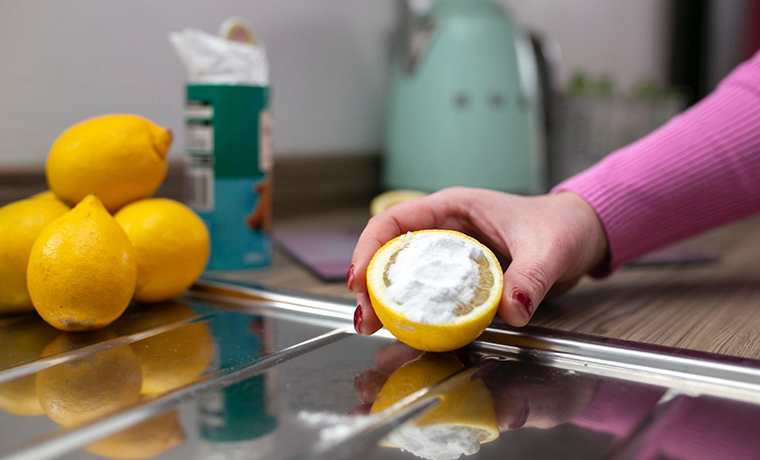
What does “green house cleaning” mean? It means that you can be confident about the environment you and your family are living in.
Eco-friendly Cleaning

Clean Arrival LLC is an eco-friendly cleaning, environmentally conscious company which prefers to use natural cleaners over traditional toxic products.
Green Clean

Residential green clean and eco-friendly alternatives are becoming a top priority for many homeowners when it comes to the environment and their health.
Green Maid
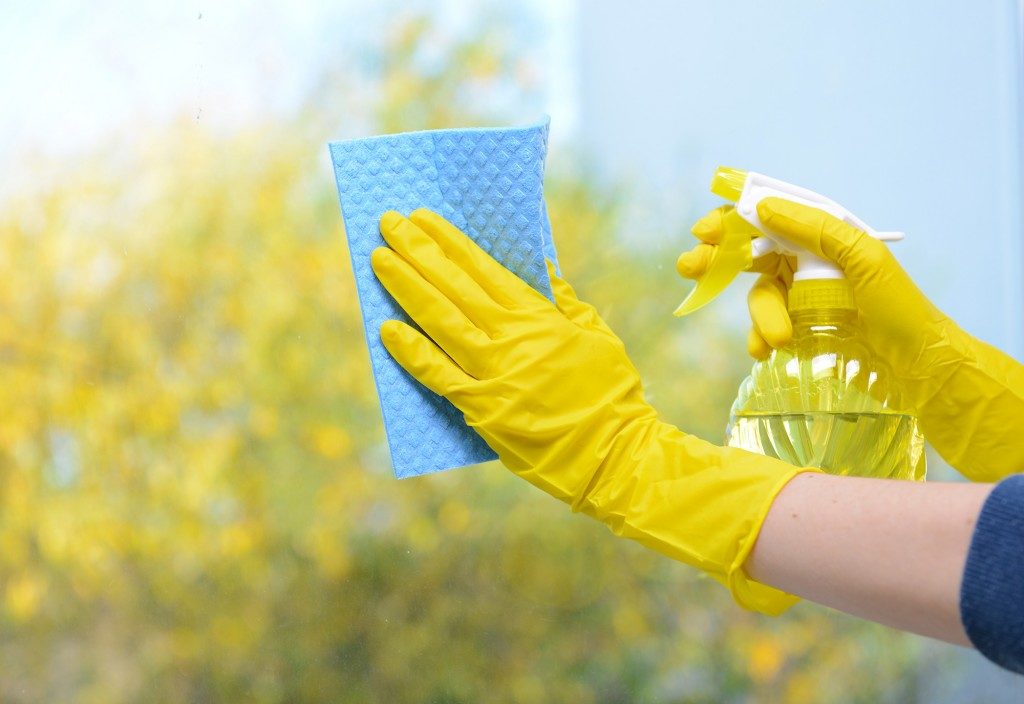
Green maid services are more important than ever when it comes to protecting your family and the environment while still getting a clean home.