
How Regular House Cleaning Supports Health Goals in the New Year
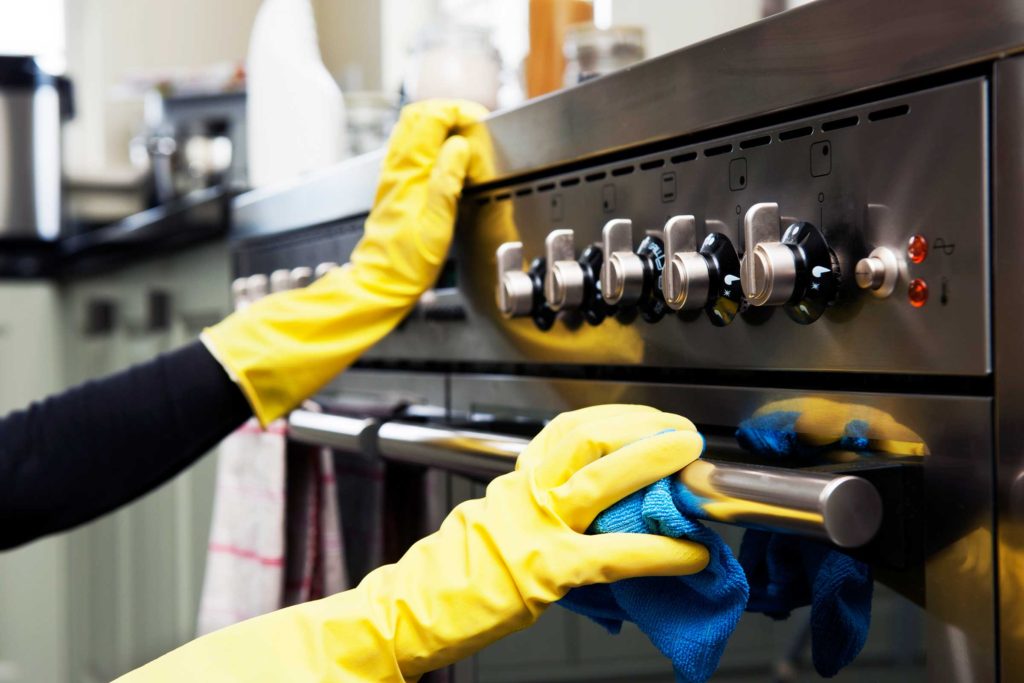
How Regular House Cleaning Supports Health Goals in the New Year The start of a new year often brings renewed focus on health, better sleep, stronger routines, improved nutrition, and overall well-being. While many people think first about fitness plans or diet changes, one of the most impactful (and often overlooked) contributors to better health is the space we live in every day. A clean home isn’t just about appearances. Regular, thoughtful cleaning plays a direct role in respiratory health, immune support, stress reduction, and illness prevention. When done consistently and correctly, healthy home cleaning helps create an environment that supports your health goals all year long. Below, we’ll explore how regular house cleaning improves indoor air quality, reduces illness during cold and flu season, and addresses the high-touch surfaces that often get missedes pecially during busy months. A Healthy Home Starts With the Environment You Breathe In Most people spend the majority of their time indoors, especially during winter months. That means the quality of your indoor environment has a greater impact on your health than many external factors. Dust, allergens, bacteria, and viruses accumulate quietly over time, even in homes that look tidy. Without regular cleaning, these particles recirculate through the air and settle on surfaces, contributing to allergies, fatigue, and increased susceptibility to illness. Healthy home cleaning focuses on: Removing irritants instead of masking them Addressing buildup at a deeper level Creating consistency rather than occasional “reset” cleanings When cleaning is part of a routine not just a reaction your home becomes an active support system for your health goals. Allergens & Indoor Air Quality: Why Cleaning Matters More in Winter Indoor air quality plays a significant role in overall wellness, particularly for households with allergies, asthma, pets, or older homes. During winter: Windows stay closed Heating systems circulate air repeatedly Dust and allergens remain trapped indoors This creates a perfect environment for particles to build up and linger. Common Indoor Allergens Found in Homes Dust mites Pet dander Mold spores Pollen tracked in on shoes Fibers from carpets, upholstery, and clothing Without regular cleaning, these allergens accumulate in areas that are easy to overlook, baseboards, vents, ceiling fans, under furniture, and soft surfaces. How Healthy Home Cleaning Improves Air Quality Consistent, detailed cleaning helps: Reduce airborne dust Remove allergens before they recirculate Minimize respiratory irritation Improve overall comfort and energy levels Regular vacuuming with proper filtration, wiping surfaces with damp cloths (instead of dry dusting), and addressing buildup near vents and trim all contribute to cleaner air indoors. Cold & Flu Season: Reducing Illness at Home Winter is peak season for colds, flu, and other viral illnesses. While handwashing and personal hygiene are essential, the home itself plays a major role in how illnesses spread or don’t. Viruses can survive on household surfaces for hours or even days, depending on the material. When cleaning is inconsistent, these germs remain available for repeated contact. How Illness Spreads Inside the Home Touching contaminated surfaces Sharing common areas and items Infrequent disinfection of key contact points Regular, healthy home cleaning helps break this cycle. The Role of Cleaning in Supporting Immune Health A consistently cleaned home: Reduces the overall viral load in shared spaces Limits re-exposure to germs Helps households recover more quickly when someone is sick Protects vulnerable individuals, including children and seniors Rather than reacting after illness strikes, regular cleaning acts as a preventive measure supporting immune systems before they’re under stress. High-Touch Surfaces People Forget (But Germs Don’t) One of the most important aspects of healthy home cleaning is addressing high-touch surfaces the areas we interact with constantly but rarely think to clean. These surfaces collect germs quickly and can quietly undermine health goals if overlooked. Commonly Missed High-Touch Areas Light switches Door handles (interior and exterior) Cabinet pulls and drawer handles Appliance handles Faucet handles Remote controls Thermostats Handrails and stair banisters Trash can lids Refrigerator doors Because these areas don’t always look dirty, they’re often skipped during quick cleanups. Why Consistency Matters Occasional disinfecting helps, but consistency is what truly makes a difference. When high-touch surfaces are cleaned regularly: Germ transfer is reduced Illness spreads less easily Households stay healthier overall Professional and routine cleaning checklists are especially helpful here, as they ensure these details aren’t missed week after week. Mental Health, Stress, and the Clean Home Connection Physical health isn’t the only area supported by regular cleaning. Mental well-being is deeply tied to our surroundings. Cluttered or dirty environments can contribute to: Increased stress Difficulty focusing Disrupted sleep Feelings of overwhelm Healthy home cleaning helps reduce mental load by creating a space that feels calm, predictable, and manageable. When cleaning is consistent: The home never feels “out of control” Small messes don’t escalate into big projects Daily routines feel easier to maintain Starting the year with regular cleaning routines can support both emotional balance and physical wellness. Supporting Healthy Habits Through Routine Cleaning New Year health goals often fail not because of lack of motivation, but because daily life becomes overwhelming. A clean, organized environment supports healthy habits by: Making meal prep easier Encouraging movement and activity Improving sleep quality Reducing decision fatigue When surfaces are clean and spaces are functional, it’s easier to follow through on positive routines whether that’s cooking at home, staying active, or simply resting well. Why Regular Cleaning Is More Effective Than Occasional Deep Cleaning Deep cleaning is important but without ongoing maintenance, its benefits fade quickly. Healthy home cleaning works best when: Deep cleaning establishes a clean baseline Regular cleaning maintains it consistently Small issues are addressed before becoming problems This approach reduces long-term buildup and supports health more effectively than infrequent, intensive cleaning sessions. Regular professional cleaning also ensures that: Health-focused areas aren’t skipped Cleaning methods are appropriate for each surface The home stays consistently supportive of wellness goals Healthy Home Cleaning for Families and Pet Owners Households with children or pets face additional challenges when it comes to maintaining a healthy environment. For Families
House Cleaning Beaverton
When you need Beaverton house cleaning services that are suitable for your place of your residence, Clean Arrival LLC is here for you.