

What Is Green Cleaning?
Green cleaning refers to the use of cleaning methods and products that are environmentally friendly and safe for human health. This approach emphasizes the use of non-toxic, biodegradable ingredients and sustainable practices to minimize the negative impact on the environment and reduce exposure to harmful chemicals. Green cleaning encompasses not only the products used but also the procedures and practices that promote a healthier living and working environment.
 The Evolution of Green Cleaning
The concept of green cleaning has evolved significantly over the years. Initially, cleaning products were developed with a primary focus on efficacy, often overlooking the environmental and health consequences of their chemical compositions. However, growing awareness of the adverse effects of certain chemicals on both human health and the environment has led to increased demand for safer alternatives. This shift has prompted manufacturers to develop and market green products that are effective yet environmentally responsible.
Health Benefits of Green Cleaning
1. Reduced Exposure to Toxic Chemicals
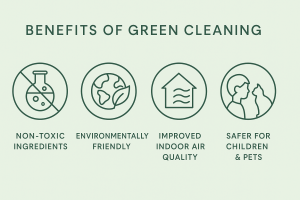
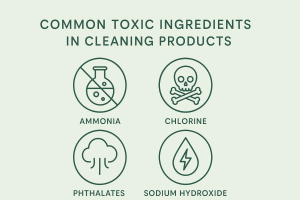
Traditional cleaning products often contain harsh chemicals like ammonia, chlorine, and phthalates, which can cause respiratory issues, skin irritations, and other health problems. Green cleaning products, on the other hand, are formulated with natural ingredients that are less likely to cause adverse health effects. This makes them safer for use, especially in households with children, pets, or individuals with sensitivities.
2. Improved Indoor Air Quality
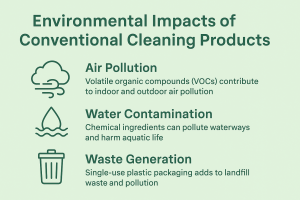
Many conventional cleaning products release volatile organic compounds (VOCs) into the air, contributing to indoor air pollution. Exposure to VOCs can lead to headaches, dizziness, and long-term health issues. Green cleaning products typically emit fewer VOCs, resulting in better indoor air quality and a healthier living environment.
3. Safer for Vulnerable Populations
Children, the elderly, and individuals with compromised immune systems are more susceptible to the harmful effects of chemical exposure. Using green products reduces the risk of health complications in these vulnerable groups by minimizing exposure to toxic substances.
Environmental Impact of Green Cleaning
1. Biodegradable Ingredients
Green products are often made with biodegradable ingredients that break down naturally, reducing pollution in waterways and soil. This contrasts with conventional cleaners that may contain persistent chemicals harmful to aquatic life and ecosystems.
2. Reduced Water and Air Pollution
By avoiding phosphates and other harmful chemicals, green cleaning products help prevent water pollution and eutrophication, which can lead to dead zones in aquatic environments. Additionally, the lower VOC emissions from green products contribute to reduced air pollution and smog formation.
3. Sustainable Packaging
Many green cleaning products are packaged in recyclable or biodegradable materials, minimizing plastic waste and environmental footprint. Some companies also offer refillable containers and concentrate solutions to further reduce packaging waste.
Economic Advantages
1. Cost Savings Over Time
While green products may have a higher upfront cost, they often prove more economical in the long run. Concentrated formulas require less product per use, and the reduced need for protective gear and ventilation can lower operational costs.
2. Enhanced Brand Image
Businesses that adopt green cleaning practices can enhance their reputation by demonstrating a commitment to sustainability and social responsibility. This can attract environmentally conscious customers and employees, providing a competitive advantage.
3. Compliance with Regulations
As environmental regulations become more stringent, using green products can help businesses stay compliant and avoid potential fines or sanctions. Proactive adoption of eco-friendly practices positions companies as industry leaders in sustainability.
Green Cleaning in Practice
1. Residential Settings
Homeowners can start by choosing products with natural ingredients, using reusable cleaning tools, and adopting practices like making homemade cleaners with vinegar and baking soda. This approach promotes a healthier home environment and reduces household waste.
2. Commercial and Industrial Applications
Businesses can integrate green cleaning by selecting certified eco-friendly products, training staff on sustainable practices, and investing in energy-efficient cleaning equipment. This not only improves workplace health and safety but also aligns with corporate sustainability goals.
3. Institutional Implementation
Schools, hospitals, and government facilities can benefit by protecting the health of occupants and reducing environmental impact. Implementing green cleaning policies and procuring certified products ensures a commitment to public health and environmental stewardship.
Certifications and Standards
To identify genuine green products, consumers and businesses can look for certifications such as:
-
EPA Safer Choice: Indicates products with safer chemical ingredients.
-
Green Seal: Certifies products that meet rigorous performance, health, and environmental criteria.
-
EcoLogo (UL Environment): Recognizes products with reduced environmental impact.
These certifications provide assurance that products meet established environmental and health standards.
Overcoming Challenges
1. Addressing Misconceptions
Some consumers may doubt the efficacy of green products. Education and awareness campaigns can help dispel myths and highlight the effectiveness of eco-friendly alternatives.
2. Ensuring Product Availability
Increasing the availability of green products in mainstream retail outlets can make it easier for consumers to make sustainable choices. Encouraging retailers to stock certified products supports wider adoption.
3. Combating Greenwashing
To avoid misleading claims, consumers should rely on trusted certifications and scrutinize product labels. Transparency in ingredient disclosure is key to making informed decisions.
What’s the Future?
The green cleaning industry is poised for continued growth as environmental concerns and health awareness rise. Innovations in product formulations, packaging, and sustainable practices will further enhance the appeal and accessibility of green cleaning solutions. As consumers and businesses prioritize sustainability, green cleaning will become an integral part of a healthier, more environmentally conscious society.
Green cleaning represents a vital shift towards healthier living and environmental responsibility. By embracing eco-friendly products and practices, individuals and organizations can contribute to a cleaner, safer world. The benefits of green cleaning, ranging from improved health outcomes to environmental preservation, underscore its importance in our daily lives. As the movement continues to gain momentum, adopting green cleaning practices is not just a choice but a necessary step toward a sustainable future.
Looking for more tips, tricks, and helpful cleaning content? Check out our Facebook and Instagram!
Book your very own eco-friendly cleaning service today.