
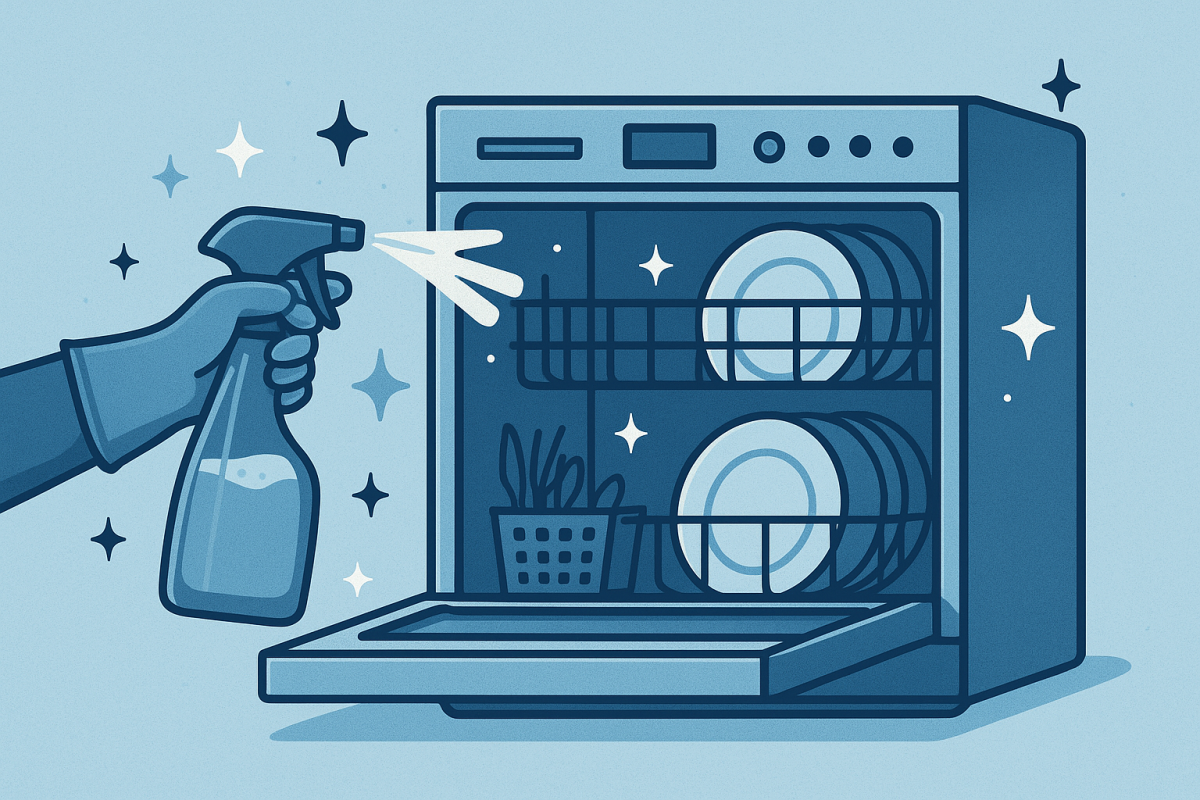
Dishwasher Cleaning: How to Deep Clean Your Dishwasher for Better Performance
Most of us rely on our dishwashers daily, yet it’s easy to forget that these hardworking machines need regular cleaning too. A neglected dishwasher can lead to poor performance, unpleasant odors, and even unsanitary dishware. If you’re noticing cloudy glasses, funky smells, or leftover grime, it’s probably time to give your appliance a deep clean.
In this guide, we’ll walk you through everything you need to know about dishwasher cleaning, from signs it needs attention to step-by-step instructions and maintenance tips to keep it running like new.
Why Dishwasher Cleaning Matters
Many people assume their dishwasher stays clean because it’s constantly washing dishes, but that’s far from the truth. Over time, food particles, grease, soap scum, and hard water minerals build up inside your machine, especially in filters, spray arms, and seals. This buildup can cause:
-
Reduced cleaning efficiency
-
Lingering odors
-
Clogged drains
-
Mold or mildew growth
-
Shortened appliance lifespan
Routine dishwasher cleaning prevents these issues and ensures your dishes come out sparkling every time.
How Often Should You Clean Your Dishwasher?
The frequency of dishwasher cleaning depends on how often you run it, how dirty your dishes are, and the hardness of your water. Here’s a general guideline:
-
Wipe down exterior and interior seals: Weekly
-
Clean filter and spray arms: Monthly
-
Deep clean with vinegar and baking soda: Every 1–2 months
-
Descale to remove mineral buildup: Every 3–6 months (especially in hard water areas)
Signs Your Dishwasher Needs Cleaning
Watch for these red flags that indicate it’s time for a deep dishwasher cleaning:
-
Cloudy or spotted glassware
-
Foul odors when you open the door
-
Visible grime or slime around the filter or gasket
-
Standing water in the bottom after a cycle
-
Dishes aren’t coming out as clean as usual
If you notice any of these issues, it’s time to roll up your sleeves.
What You’ll Need
Before starting your dishwasher cleaning, gather the following supplies:
✅ White vinegar
✅ Baking soda
✅ Dish soap
✅ Old toothbrush or small cleaning brush
✅ Microfiber cloth or sponge
✅ Toothpick or paper clip (for cleaning spray arm holes)
Optional:
-
Lemon juice (for added freshness)
-
Commercial dishwasher cleaner (for extra heavy-duty buildup)
Step-by-Step Guide to Cleaning Your Dishwasher
1. Empty the Dishwasher
Start with a completely empty dishwasher. Remove all dishes, racks, and utensil holders to get full access to the interior.
2. Clean the Filter
The filter is a common culprit for foul smells and poor cleaning performance.
-
Locate the filter (usually at the bottom of the tub)
-
Twist and remove it (check your owner’s manual for specifics)
-
Rinse it under hot water and scrub with a toothbrush and dish soap
-
If heavily soiled, soak in warm, soapy water for 10–15 minutes
-
Replace it securely when done
🧼 Pro Tip: Never run your dishwasher with a dirty filter, it can cause clogs and recirculate gunk onto your dishes.
3. Check and Clean the Spray Arms
The spray arms can become blocked with food particles or hard water deposits.
-
Remove the spray arms if possible
-
Use a toothpick or paper clip to clear out each tiny jet hole
-
Rinse thoroughly under warm water
-
Reinstall them carefully
Blocked spray arms = dirty dishes. Keep them clean for proper water flow.
4. Scrub the Interior
With filters and spray arms out of the way, inspect the inside of your dishwasher.
-
Use a toothbrush or cloth with warm, soapy water to scrub the door gasket (rubber seal), detergent dispenser, and edges
-
Wipe down the sides and bottom
-
Don’t forget the drain area and around the door hinges
This physical cleaning removes grease and gunk that vinegar alone won’t fix.
5. Run a Vinegar Wash
White vinegar is a natural deodorizer and degreaser, perfect for dishwasher cleaning.
-
Place a dishwasher-safe cup or bowl filled with white vinegar on the top rack
-
Run a hot water cycle (without detergent)
-
This helps break down mineral buildup and eliminates odors
Bonus: Add a few drops of lemon juice to the vinegar for a fresh scent.
6. Do a Baking Soda Rinse
For a final refresh, use baking soda to neutralize any remaining smells.
-
Sprinkle 1 cup of baking soda along the bottom of the tub
-
Run a short hot water cycle
-
Enjoy your sparkling clean, odor-free dishwasher!
Optional: Descale with a Commercial Cleaner
If you have hard water, you might notice chalky white buildup. Descaling is an important part of dishwasher cleaning in these areas.
Use a commercial dishwasher cleaner or descaler (like Finish or Affresh) following the product instructions. These are specifically formulated to remove lime and mineral buildup and improve machine performance.
Tips for Keeping Your Dishwasher Clean Longer
Once you’ve deep cleaned your dishwasher, here’s how to maintain it:
✅ Scrape, don’t rinse: Remove food chunks before loading, but don’t over-rinse, detergents need some grime to activate
✅ Run hot water before starting: This ensures the initial fill is hot enough to clean effectively
✅ Use rinse aid: It reduces water spots and helps the machine dry better
✅ Clean filter regularly: It takes only a few minutes and prevents most issues
✅ Run it often: Running your dishwasher prevents stagnation and buildup
Common Dishwasher Cleaning Mistakes
Even with good intentions, people often make these mistakes:
❌ Using bleach and vinegar together: This creates toxic chlorine gas, never mix them
❌ Using hand soap or dish soap in the machine: This causes excessive suds and potential damage
❌ Ignoring the filter: A clogged filter makes all cleaning efforts pointless
❌ Using too much detergent: More soap ≠ cleaner dishes. It can cause build-up over time
❌ Never cleaning your dishwasher: Out of sight shouldn’t mean out of mind!
Regular dishwasher cleaning is essential for a hygienic home and spotless dishes. By taking 30 minutes every month to deep clean your machine, you’ll extend its life, improve efficiency, and keep your kitchen smelling fresh. With just a few simple ingredients—like vinegar, baking soda, and elbow grease—you can tackle even the dirtiest dishwasher with confidence.
Make dishwasher cleaning part of your routine, and enjoy the peace of mind that your appliance is working at its best.
Learn more cleaning tips and tricks through our Facebook or Instagram.